
Why You Should Get a Mid-Year Hearing Checkup
If you have ever tried to hold a conversation while the tractor pull is
By: ahcc186 | July 26, 2026
If you have ever tried to hold a conversation while the tractor pull is running at the Maury County Fair, you know how quickly voices can get lost in the noise. You may find yourself watching someone’s face more closely or asking them to repeat what they said.
That can happen to anyone in a loud setting. Still, it may leave you wondering how well you are hearing in quieter places too.
Summer fills up quickly with fairs, cookouts and plans with family and friends, which makes it easy to put off a hearing checkup. The middle of the year is a useful time to check for any changes you may not have noticed during daily life.
A mid-year visit gives you answers now rather than leaving you to wonder until the end of the year. You will know whether your hearing has stayed the same or needs a little more attention.
By the middle of the year, most people have already handled a dental cleaning, an eye exam or another routine appointment. Hearing often gets pushed aside because the changes can be subtle and easy to explain away.
A mid-year checkup gives you a chance to see whether anything has shifted before the holiday season fills up the calendar. It also creates a record your hearing specialist can compare from one visit to the next.
You may not notice a small change right away, especially if you have slowly adjusted to it. A hearing check can catch those changes before conversations, television or busy gatherings start feeling more frustrating.
Treating hearing care like any other routine appointment makes it less likely to keep getting postponed. Put it on the calendar, bring up anything that has felt different and use the visit to find out where your hearing stands.
Hearing changes often happen so slowly they are easy to miss. You might start having more trouble with softer voices, higher-pitched sounds or conversations in busy rooms, without realizing anything has shifted.
Your brain is good at filling in gaps, so you can still follow most of what is being said. That makes the problem feel like it belongs to the room, the speaker or the noise, not your hearing.
Small habits tend to shift before you notice the reason why. You might watch people’s faces more closely, sit a little closer at dinner or ask for repeats more often.
Hearing loss usually comes on so slowly that it just starts to feel normal. A hearing check gives you an actual answer instead of a guess, and shows whether anything has changed since your last visit.
Hearing changes often show up in ordinary situations before they feel serious. You may still hear most things, but certain conversations or sounds start taking more effort.
Family and friends are often the first to pick up on changes in hearing because they see the small moments that are easy to miss yourself. They may notice that you ask the same question twice, turn the radio up a little higher or seem to lose track of conversations in busy places.
Those comments can feel frustrating, especially when you do not think anything has changed. But the people around you are often comparing how you hear now with how you used to respond. They may notice a difference before it feels obvious to you.
Sometimes the signs are subtle. You may answer a question that was not asked, miss part of a story or seem distracted when you actually did not hear the whole sentence. A loved one may also notice that you avoid certain restaurants, group settings or phone calls because they have become harder to follow.
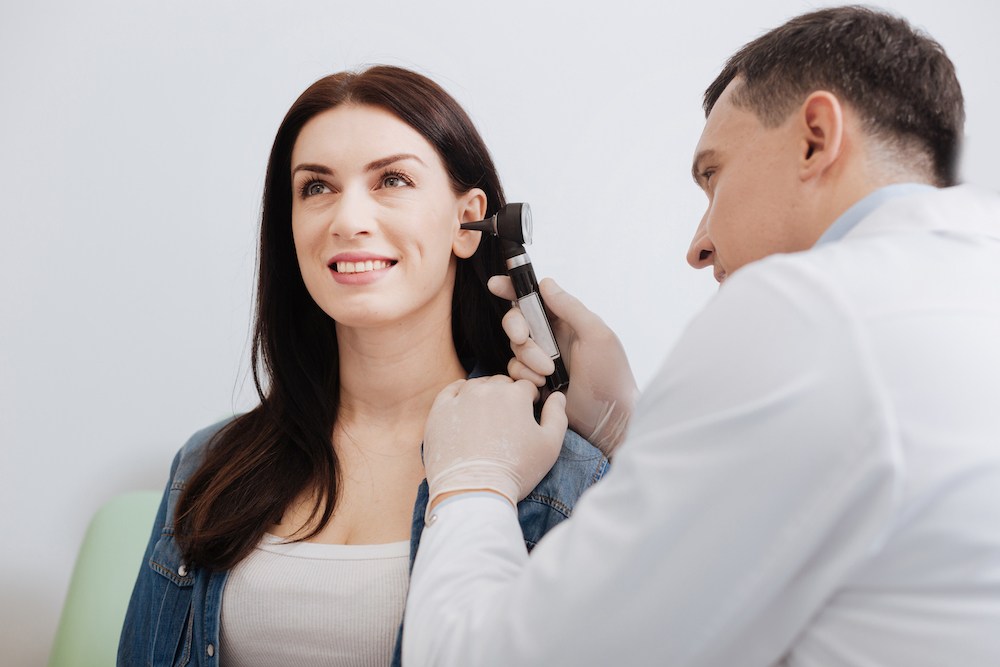
A mid-year hearing checkup is simple, painless and usually pretty quick. Your hearing specialist will start by asking a few questions, like whether you have noticed any changes lately, what your day-to-day noise exposure looks like and whether anything in your health history might be playing a role.
From there, the actual test happens in a quiet room while you wear headphones. You will listen for a series of tones and repeat back words at different volumes. Nothing about it is uncomfortable, and there is no way to get it wrong. You just respond when you hear something.
Once the test is done, we will go over the results with you right there. We will also compare them to any earlier testing you have on file, so you can see if anything has changed. You will walk out knowing exactly where your hearing stands and what, if anything, makes sense to do next.
When you are not hearing everything, even a simple conversation can take more effort than it should. You may catch half a sentence, fill in the rest and hope you understood it correctly. Doing that again and again can be tiring.
It can also change how you spend your time. You may stay quieter at dinner, avoid busy restaurants or stop joining in when several people are talking. From the outside, it may look like you are distracted or uninterested when you are actually trying hard to follow along.
Getting your hearing checked can make daily life feel less strained. Conversations become easier to follow, social plans feel less exhausting and you can spend more time enjoying the people around you instead of working to keep up.
Hearing is doing more than helping you follow a conversation. Your brain uses sound to understand what is happening around you, while your ears also help with balance. When hearing changes, keeping up with voices and surroundings can take more concentration than it once did.
That can show up during everyday life in Columbia. You may feel less steady walking along the Duck River at Riverwalk Park or mentally worn out after trying to follow conversations around the square.
Taking care of your hearing helps you stay aware, steady and involved in the places you already enjoy. It can make it easier to follow a conversation, notice what is happening nearby and move through your day without working so hard to keep up.
You do not need to do much before a mid-year hearing check, but it helps to think about what has felt different lately. Write down any situations where you had trouble hearing, like restaurants, phone calls or group conversations.
It can also help to bring a few questions with you:
Bringing a few notes makes the visit more useful and gives your hearing specialist a better sense of what you are noticing outside the office.
Once your checkup is over, keep an eye on the moments when hearing feels harder. Maybe conversations in restaurants take more effort, phone calls sound less clear or you miss parts of a discussion when several people are talking. Jotting those moments down makes them easier to remember later.
It also helps to think ahead when you know things will get loud. Turn down your headphones, wear ear protection around concerts or power tools and give your ears some quiet time afterward. Those choices can make a real difference when they become part of your usual routine.
A mid-year checkup is also a good time to make sure your hearing aids are still set up right for you. Hearing can shift a little over time, even without you noticing, and your devices need to keep up with that.
Bring them with you so your specialist can clean them, check the fit and look for worn parts or blocked filters. From there, they can compare your current hearing results against the settings already programmed into your devices.
If those two things do not line up the way they used to, a small adjustment usually fixes it. Hearing aids are not something you set once and forget. They work best when the settings actually match how you hear right now.
Summer has a way of filling up before you realize it. Between the fair, family cookouts, weekend plans and everything else on the calendar, a hearing check can easily get pushed to later.
Hearing Center of Columbia can help you find out what has changed and what has not. Call (931) 548-1166 to set up a visit before the next crowded event leaves you wondering if it was the noise or your hearing.
If you have ever tried to hold a conversation while the tractor pull is
By: ahcc186 | July 26, 2026

Spring in Columbia means the Mule Day parade, farmers markets back in full
By: ahcc186 | June 25, 2026
Noticing changes in your hearing often raises the question of whether it
By: ahcc186 | January 19, 2026